Gas stove installation needs more care than plugging in a small appliance. A gas stove uses fuel supply and electrical ignition. The stove also needs proper ventilation and a secure appliance connector. A poor hookup can create gas leaks or unsafe burner operation.
Hire a trained professional for gas appliance installation and the hookup. Correct setup protects the kitchen and helps the appliance work safely.
Why Proper Installation Matters?
Many people search for how to install gas stove because they want to understand the process before buying a new range. That is helpful, but gas work should be handled with care.
A small mistake can lead to a gas leak, poor burner performance, or unsafe operation. A correct installation helps the stove light properly and operate more efficiently.
Gas Range Installation Basics
Gas range installation starts with checking the space and gas supply. The installer also checks the power outlet and ventilation. The appliance must match the fuel type in the home. Natural gas and propane models are not always ready for the same hookup.
Follow the manufacturer’s instructions when conversion is needed. A wrong fuel setup can cause unsafe flame behavior.
Gas Cooktop Installation
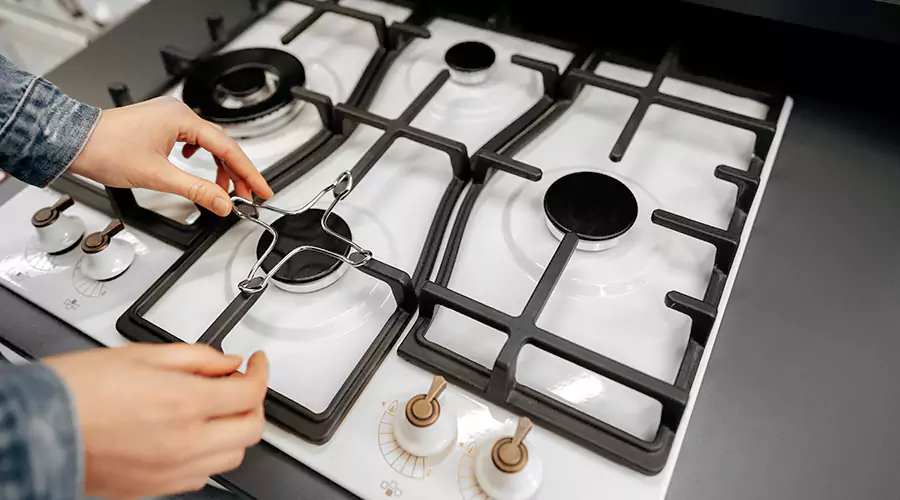
Gas cooktop installation is different from installing a freestanding range. A cooktop usually sits inside a countertop cutout and connects to a gas line below the surface.
The installer must check clearance, countertop fit, gas access, and ventilation. A poor fit can make service harder and create performance issues.
Install Gas Stove Safely
To install gas stove safely, the gas supply must be shut off before any connection work begins. Safe installation includes several checks:
- Confirm the appliance matches the gas type.
- Use the correct approved connector.
- Keep the stove level and stable.
- Check that burner parts are seated correctly.
- Make sure ventilation is working.
- Test for leaks before regular use.
Gas Stove Hookup
A gas stove hookup includes connecting the appliance to the gas supply and checking that the connection is secure. This is not a good place for guesswork.
If the connection is loose, damaged, or installed incorrectly, gas can escape into the kitchen. For that reason, a qualified installer should complete the hookup.
Gas Appliance Installation
Gas appliance installation must follow the appliance manual and local building rules. Many areas require permits or licensed work for gas connections. Check local requirements before scheduling the job. Permit rules matter during remodels and fuel conversions.
New gas line work also needs proper inspection. Local rules protect the home from unsafe fuel connections.
Gas Line Connection Stove
A gas line connection stove setup must use the correct connector and shutoff valve. The shutoff valve should be accessible so the gas supply can be turned off in an emergency.
Old connectors should not be reused. A new connector is usually recommended when replacing a stove.
Gas Stove Safety
Gas stove safety starts with correct installation and careful daily use. The burner should light quickly and burn with a steady blue flame. Stop using the stove if you smell gas. Hissing sounds or unusual burner flames also need immediate attention. Leave the area if the gas odor is strong. Contact the gas utility or emergency service from a safe location.
Professional Gas Stove Installation
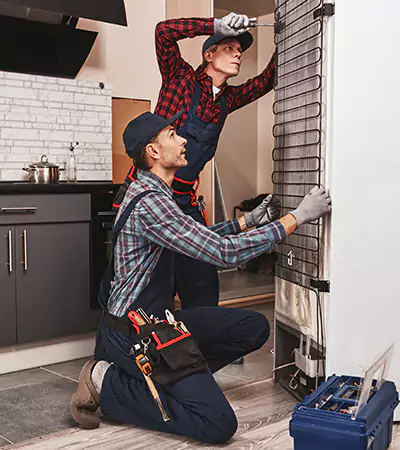
Professional gas stove installation is the best option for most homes. A trained installer can connect the appliance and check for leaks. The installer can also level the stove and test burner operation. These steps confirm that the appliance is ready for normal use.
Professional service matters when the gas line is new. It also matters when the old connector is damaged or the stove needs fuel conversion.
Gas Stove Installation Cost
Gas stove installation cost depends on the appliance type and the gas line condition. Labor rates and permit needs also affect the final price. A simple replacement usually costs less than a new gas line setup. The price rises when the installer replaces a shutoff valve or moves the gas line.
Ventilation work can also increase the total. Ask for a written estimate before the work begins.
Kitchen Gas Appliance Setup
A kitchen gas appliance setup should be planned before delivery day.
Preparation checklist:
- Measure width, depth, and height.
- Confirm natural gas or propane supply.
- Check for a nearby grounded outlet.
- Clear cabinets and floor space.
- Review the installation manual.
- Schedule a licensed installer if required.
Gas Range Hookup
A gas range hookup should include a final test before cooking starts. The installer should check the burners, oven ignition, gas flow, and appliance stability.
If the range has anti-tip hardware, it should be installed correctly. This bracket helps reduce the risk of the stove tipping forward.
Gas Stove Connector
A gas stove connector must be approved for gas appliances. The connector also needs the right size for the stove.
Old or damaged connectors create a safety risk. Replace the connector when it shows wear or does not match the appliance requirements.
Never force the stove tightly against the wall. The connector needs enough room so it does not bend sharply or get crushed.
Gas Leak Safety Check
A gas leak safety check is one of the most important parts of installation. The installer should confirm that the connection does not leak before the appliance is used.
Warning signs of a possible leak include:
- Rotten egg odor near the stove.
- Hissing sound near the gas line.
- Burner flame acting strangely.
- Dizziness or headache indoors.
- Gas smell after the stove is off.
Do not use matches or lighters to check for leaks.
Install Gas Range
To install gas range equipment properly, the stove must sit level and connect securely. A level range helps food cook evenly and keeps cookware stable on the burners.
The installer should also confirm that the oven and burners ignite correctly. If ignition is delayed, the appliance may need adjustment or repair.
Stove Installation Guide
This stove installation guide is meant to help homeowners understand what happens during setup. It should not replace professional gas work when a licensed installer is needed.
Typical installation includes:
- Inspecting the appliance and space.
- Turning off the gas supply.
- Connecting the approved gas connector.
- Positioning and leveling the stove.
- Installing anti-tip protection.
- Checking for gas leaks.
- Testing burners and oven operation.
Gas Appliance Safety
Gas appliance safety also includes proper ventilation. Use a working range hood or kitchen exhaust fan when cooking with gas.
Carbon monoxide alarms are also important in homes with fuel-burning appliances. Place alarms according to manufacturer instructions and local safety guidance.
Kitchen Stove Installation
Kitchen stove installation should be planned around space, clearance, fuel, power, and ventilation. Rushing the process can lead to poor fit and unsafe operation.
If you are replacing an old stove, ask whether the existing gas valve and connector are still acceptable. Many installers will replace old connection parts during the setup.
Licensed Gas Stove Installer
A licensed gas stove installer can help make sure the appliance is connected correctly and tested safely. This is the safest choice when the project involves gas fittings, fuel conversion, or code requirements.
A qualified installer can also explain how to shut off the gas supply and what warning signs to watch for after installation.
Final Thoughts
Installing a gas stove requires more than placing the appliance in the kitchen. The setup must include the right connector, safe gas connection, proper leveling, ventilation, and leak testing.
For most homeowners, professional installation is the smartest option. It helps reduce safety risks and gives you confidence that the stove is ready for everyday cooking.